Anna Perkins

As Chief Marketing Officer at clearBorder, Anna leads our communications, strategy and positioning – ensuring our insights reach the people who need them.

With over 25 years of experience across global brands like Samsung, HP and Vodafone, as well as boutique consultancies, she brings a wealth of cross-sector marketing expertise.

Anna is driven by curiosity and collaboration: relishing the opportunity to learn new sectors and shape how an organisation communicates. An avid reader – of fact and fiction – she always has a book (or several) on the go, and never leaves home without one!


Expert Insights From Anna Perkins

Thought Leadership

The 2027 EV tariff precipice: are supply chains ready for new Rules of Origin?

From 1 January 2027, EVs traded between the UK and EU face tougher Rules of Origin and a possible 10% tariff. Here is what manufacturers should do before the deadline.
The 2027 EV tariff precipice: are supply chains ready for new Rules of Origin?
Thought Leadership

Technology tariffs: what does it really cost to import and export innovation?

Technology tariffs reach far beyond the duty applied to a finished product. Behind modern innovation sits a complex global network of semiconductors, raw materials, specialist equipment, components and manufacturing processes, often crossing multiple borders before reaching the customer. This article explores how tariffs can reshape technology supply chains, influence sourcing and manufacturing decisions, and put pressure on margins. It also examines why customs classification and country of origin need to be understood before businesses make major operational changes, and why understanding the physical trade architecture behind innovation is becoming a board-level commercial priority.
Technology tariffs: what does it really cost to import and export innovation?
Thought Leadership

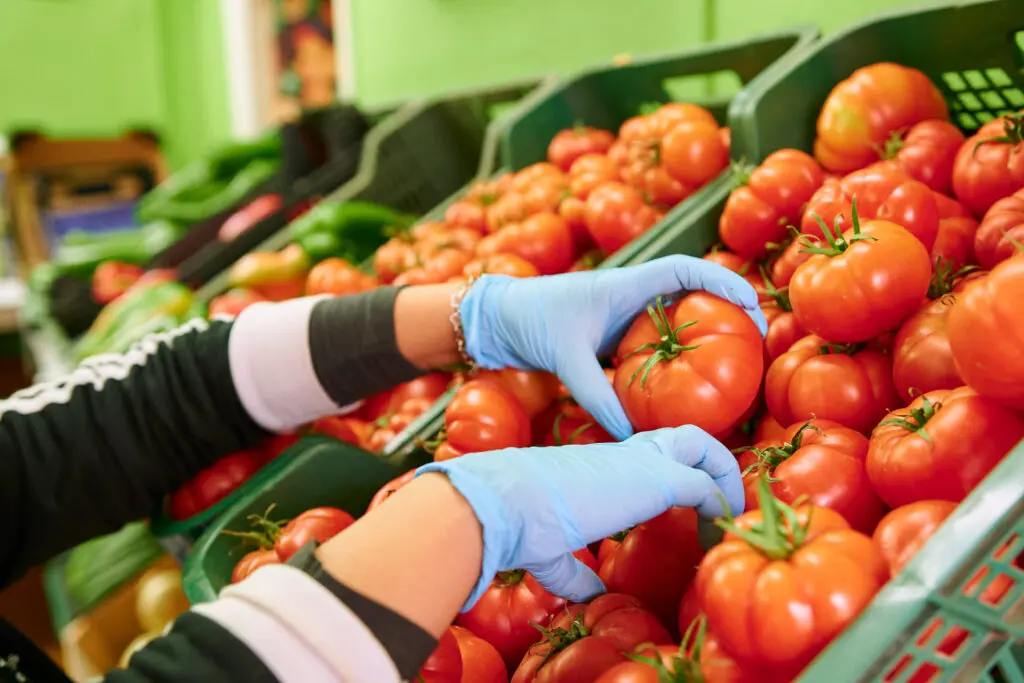
Food traceability: why knowing your product means knowing your business

Food traceability is far more than a regulatory requirement. It gives businesses the visibility to understand exactly where products and ingredients have come from, how they have moved through production, and where they have gone. When an issue arises, that visibility becomes critical. Strong traceability can help businesses identify affected products faster, narrow recalls, protect consumers and reduce unnecessary financial and reputational damage. Beyond crisis response, the same data can strengthen quality assurance, supplier management and commercial decision-making. This article explores what effective food traceability looks like, why speed and precision matter, and how businesses can turn supply chain visibility into greater commercial resilience.
Food traceability: why knowing your product means knowing your business

Meet the Rest of the Team

Meet Our Team
Secret Link