

See trade disruption earlier. Understand what it means for your business. Make stronger decisions – before the market forces your hand.
Tariffs are only part of the picture. Sanctions, national security, forced-labor enforcement, industrial policy, technology controls – all are reshaping where companies source, manufacture, invest, and grow. clearBorder helps leadership teams scan the horizon, identify important shifts early, understand their commercial implications, and decide what to do next… before emerging risks become operational constraints.
Our horizon scanning and strategic advisory services can stand alone or work together – giving you earlier visibility of emerging risk and practical support on how to respond.




We combine strategic foresight with senior trade advisory, helping you translate global developments into confident, commercially informed decisions.
Track regulatory, policy, and geopolitical developments. We filter out the noise to surface the signals and developments most likely to affect your firm.

Assess how sanctions, trade tensions, national security measures, and shifting alliances could alter your exposure, options, and operating environment.

Stress-test your sourcing models against tariffs, regulatory change, nearshoring, friendshoring, and evolving trade agreements.

Explore credible future scenarios and identify critical decision points. Translate emerging risk into practical, leadership-level options.


Knowing change is coming is only useful if you can plan what to do about it. We connect emerging trade developments to sourcing, investment, market, and operating decisions – turning horizon scanning into practical strategic choices.
Modern protectionism goes far beyond tariffs. Governments increasingly use national security, export controls, forced labor rules, subsidies, and supply chain policy to influence where goods and technologies are produced. We help leadership teams understand what those shifts mean commercially.
Struggling with shifting regulations, import delays or customs headaches? You’re not alone. We help you see around corners and move forward – proactively and with confidence.





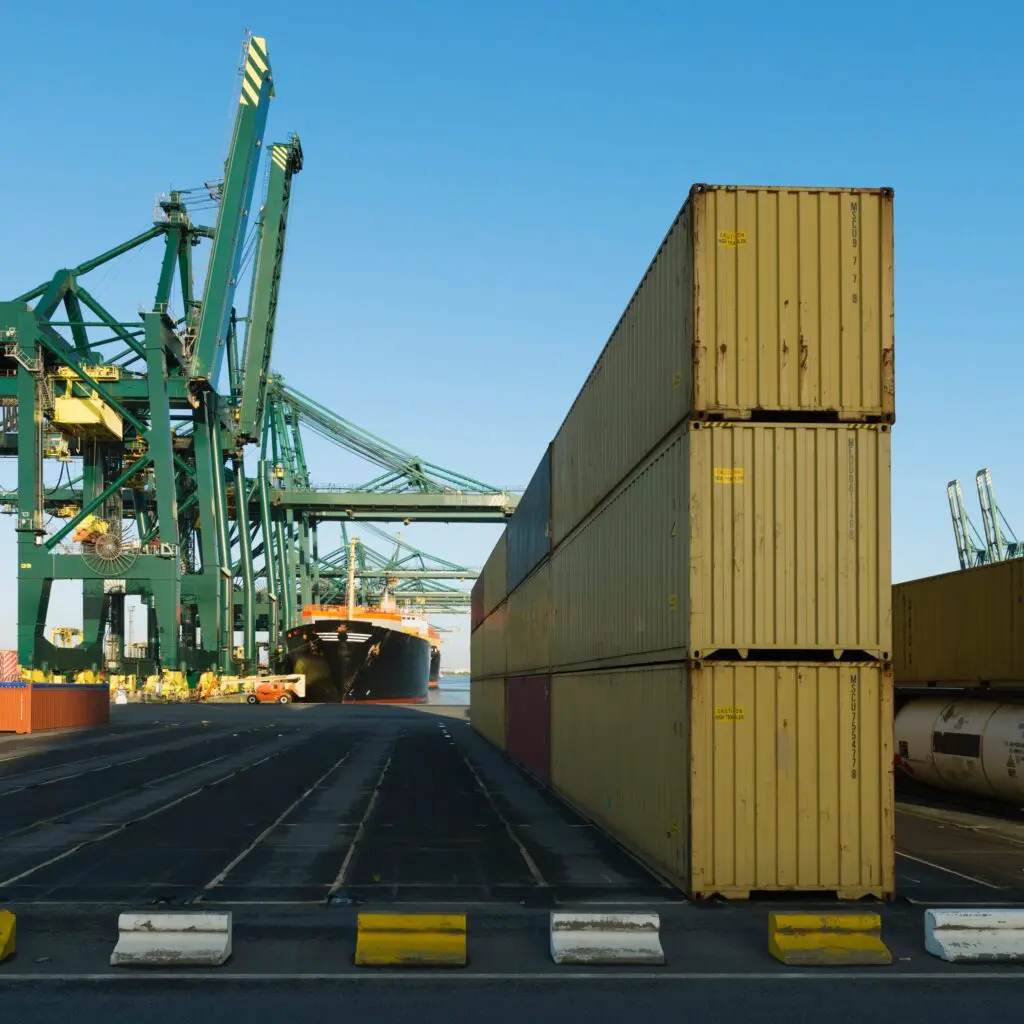


Horizon scanning is our structured method for identifying regulatory, policy, geopolitical, and market developments before their full impact reaches your business. The goal is not to predict the future. It is to spot credible signals early enough that you still have choices about how to respond.
News tells you what happened. Strategic trade intelligence asks what matters, what could happen next, and what your business may need to do differently as a result.
We filter developments through your markets, supply chains, products, risk profile, and strategic priorities so you can focus on what is material.
Anything where trade policy or geopolitical change affects a significant commercial decision.
That can include sourcing and manufacturing location, tariff exposure, supply chain resilience, investment, acquisitions, market prioritization, technology strategy, or how your business responds to new sanctions and regulatory controls.
Those teams typically have deep visibility within their own areas. We bring the trade picture together across functions – connecting regulatory change with customs, export controls, supply chains, commercial strategy, and operational reality. The aim is to give you an integrated view of what a development means for your firm as a whole.
Yes. We can examine how tariffs, trade agreements such as USMCA, regulatory exposure, geopolitical risk, and supply chain resilience affect different sourcing options. Rather than treating relocation as a purely cost-based exercise, we help test the wider trade assumptions behind the decision.
Yes. Trade liabilities can sit beneath the surface of a transaction, from customs exposure and export control weaknesses to sanctions risk, supplier dependencies, or fragile market assumptions. We help identify trade-related questions and risks that deserve closer scrutiny, before investment or acquisition decisions are finalized.
By connecting it to decisions. Instead of presenting you with a long list of developments, we focus on exposure, likelihood, potential impact, strategic options, and trigger points.
That gives you a clearer basis for deciding what to monitor, what to mitigate, and where action is needed now.
It depends on the issue. Some trade developments create immediate operational pressure; others emerge over months or years. The value is in identifying plausible developments early, monitoring the right signals, and ensuring your strategy can adapt as the picture changes.
Both. Some clients need ongoing intelligence around a defined set of trade and geopolitical risks; others bring us in around a specific decision, market, transaction, or supply chain question. The scope can be ongoing or project-based, depending on the decision you need to make and how quickly the risk landscape is changing.


