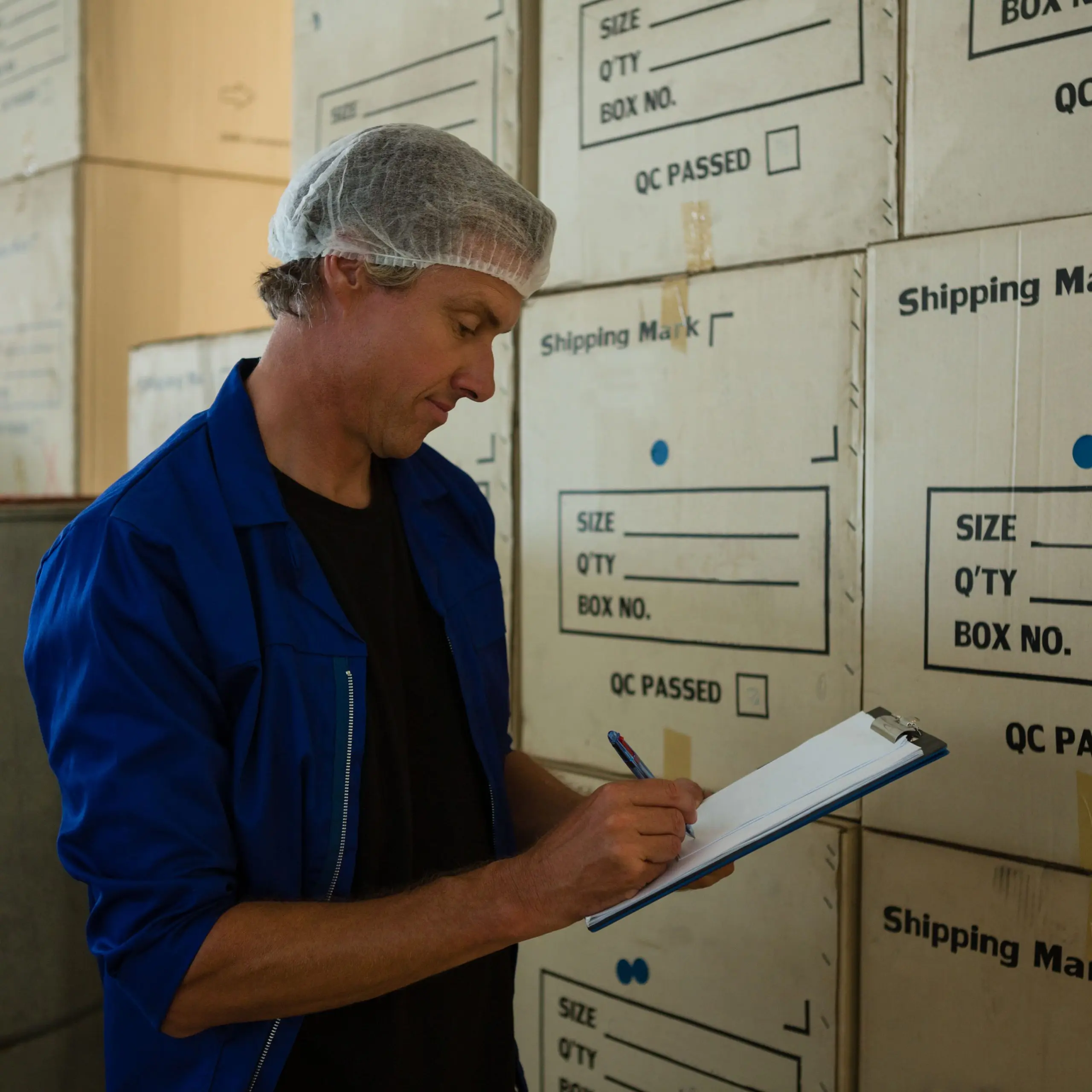
As trade regulations become more complex, UK businesses are strengthening trade compliance governance to manage risk, maintain operational continuity, and avoid costly penalties.
Trade audits have become essential risk-management tools for international businesses. Discover how audits uncover compliance gaps, governance weaknesses, customs risks, and supply chain exposure before they lead to costly disruption.
TLDR This article explores the role of post-clearance audits (PCAs) in global trade compliance. It explains what PCAs involve, highlights international standards like WTO TFA Article 7.5 and WCO guidelines, and …
TLDR Border inspections are often seen by businesses as red tape, but they're also where operational discipline is tested. Leaders that anticipate requirements, align suppliers, and digitise documentation don't just …
TLDR Rules of origin under the EU-UK Trade and Cooperation Agreement are more than a compliance detail – they're a strategic lever. When boards embed RoO into business strategy, they …
A strategic playbook for confident + capable cross-border trade TLDR Customs brokers can be your strongest ally or your weakest link in international trade. Managed well, they streamline declarations, protect …
TLDR HMRC importer requirements are evolving in 2026, with increased emphasis on accurate declarations, robust due diligence, and integrated compliance processes. Those businesses positioned to act early can reduce …
TLDR Trade is entering a new era of automation. From AI risk scoring to blockchain-backed traceability, customs technology is transforming how goods move across borders. Forward-looking leaders should act now …
TLDR Effective customs record keeping is critical for compliance, risk management, and operational resilience in global trade. This article explores legal requirements, common pitfalls, and 10 best practices (from digital …
We use cookies to ensure that we give you the best experience on our website. If you continue to use this site we will assume that you are happy with it.